
All buildings, all climates, all year

For more than 70 years, we’ve been designing and building heat pumps in Sweden – made to deliver reliable comfort in every kind of climate. Each NIBE system harnesses renewable energy stored in nature to deliver year-round comfort with a smaller environmental footprint. We offer four types of heat pumps: ground source, air-to-water, exhaust air and air-to-air.
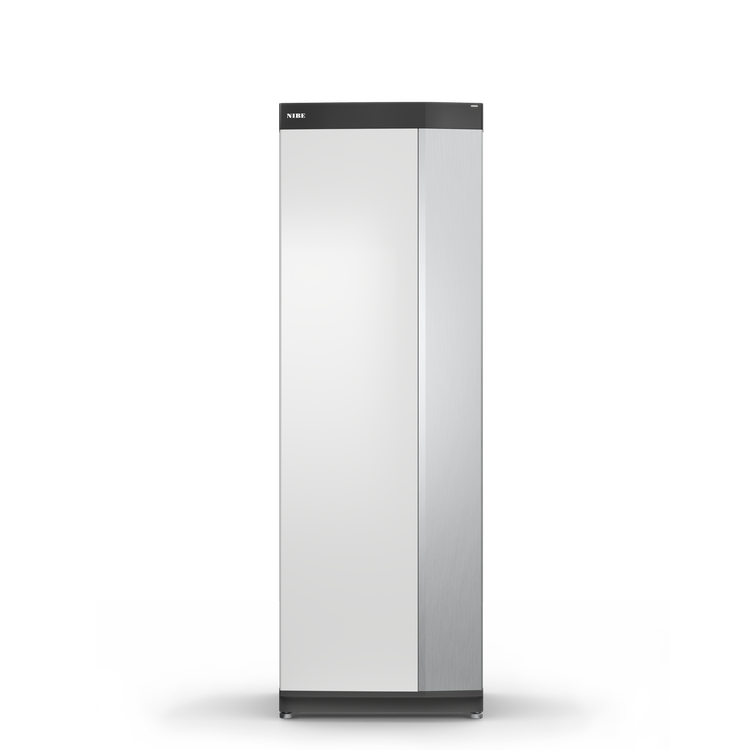
S1257 ground source heat pump

Ground source

Use the energy stored beneath your home for heating, cooling and hot water. Ground source heat pumps offer top performance, quiet operation and low running costs over time.
Ground source heat pumps

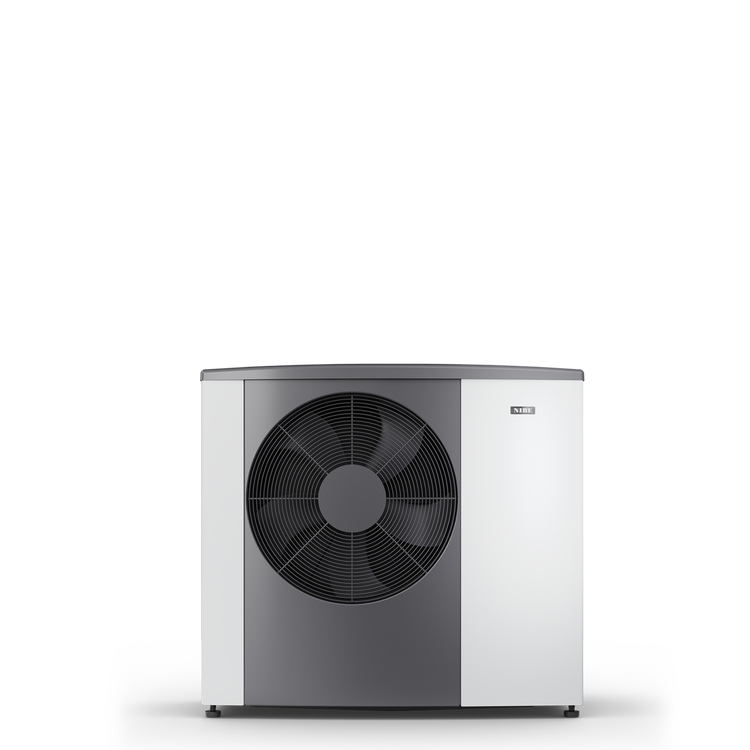
S2125 air-to-water outdoor unit

Air-to-water

Let the outdoor air create heating, cooling and hot water. Air-to-water heat pumps offer flexible installation without drilling and reliable comfort through every season.
Air-to-water heat pumps

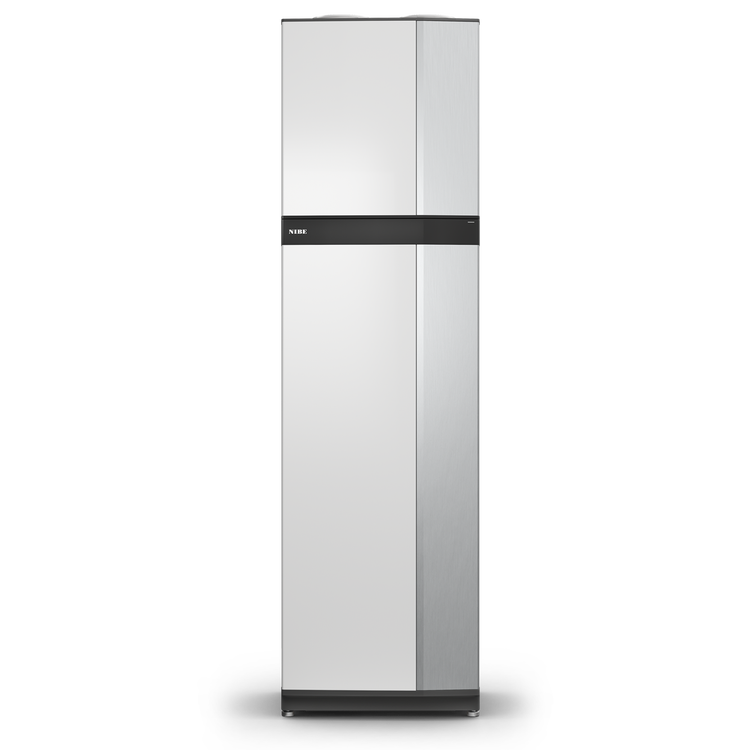
NIBE S735 exhaust air heat pump

Exhaust air

Recover heat from the ventilation air leaving your home and reuse it for heating, hot water and ventilation in one compact unit.
Exhaust air heat pumps

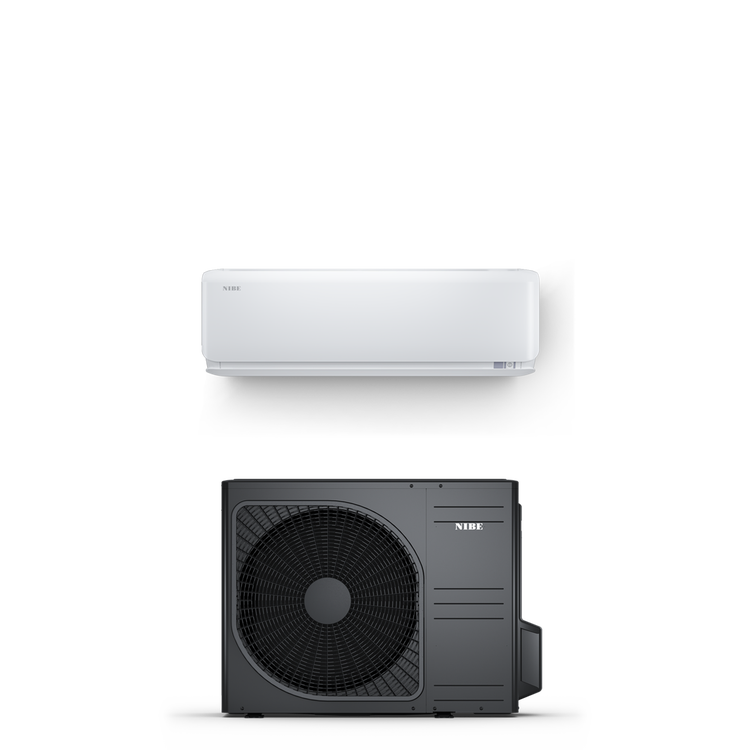
ALVA air-to-air heat pump

Air-to-air

Heat or cool selected rooms directly with energy from outdoor air. A simple way to improve everyday comfort without a water based heating system.

Air-to-air heat pumps

Setting the record straight on heat pump heating

In many European homes, heat pumps are already the standard choice. Yet questions remain. Some concerns are valid. Others are rooted in outdated assumptions.
“Heat pumps don’t work in cold climates”
They do. In many Northern European countries, heat pumps are the primary heating solution throughout winter. Systems are designed and dimensioned for the climate they operate in. Cold weather is part of the engineering criteria, not an exception.
“You can’t install a heat pump in an older house”
Most heat pumps today replace oil or gas systems in existing homes. Age alone does not determine suitability. System design, heat demand and correct sizing are what matter.
“Radiators won’t work with a heat pump”
Heat pumps operate efficiently at lower flow temperatures. Many radiator systems function well under these conditions, sometimes with adjustments. Comfort is defined by stable indoor temperature, not radiator surface heat.
“Heat pumps are too expensive”
They require an upfront investment. Unlike boilers, heat pumps move heat instead of generating it through combustion. Over time, this often results in lower operating costs and reduced exposure to fossil fuel price volatility. Compared to fossil-based systems, a heat pump typically also has a longer operational lifespan, which further improves long-term value.
“They don’t provide the same level of comfort”
Heat pumps deliver steady and consistent heat. Rather than short bursts of high temperature, they maintain stable indoor conditions. Many homeowners experience fewer temperature swings.
"You will run out of hot water”
Modern integrated systems are designed to meet normal household demand. Proper system sizing ensures capacity for daily use, including peak periods. NIBE offers solutions with storage capacities of up to 750 litres, suitable for larger households or higher hot water demand.
“They are noisy”
This may have been a concern decades ago. Today, sound levels are rarely an issue with modern heat pumps and professional installation. Typical outdoor units operate at sound levels comparable to common household appliances, and careful placement ensures minimal disturbance to neighbours. At NIBE, sound performance is engineered and measured in decibels, not left to chance.
“Electric heating isn’t climate friendly”
A heat pump does not rely on combustion. It uses electricity to transfer renewable energy from air, ground or water into the building. As electricity production becomes increasingly fossil free across Europe, the overall climate impact continues to decrease.
“The technology is new and unproven”
Heat pump technology has been used for decades and is well established in many European markets. Continuous development has improved performance, reliability and control.
“Hybrid systems are always better”
Hybrid systems combine a heat pump with a fossil boiler. In some situations this can be a transitional solution. Fully electric systems remove combustion entirely. The appropriate solution depends on the building and long term objectives.
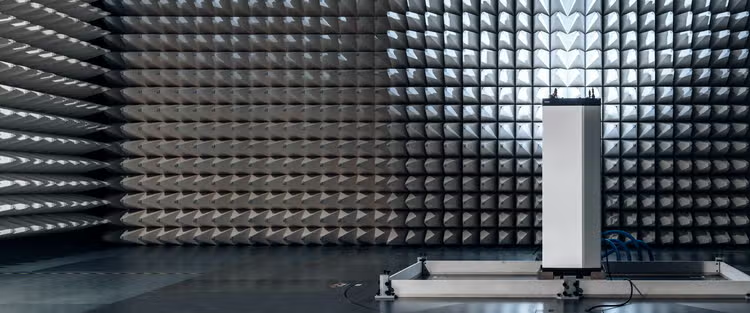
A heat pump tested in the NIBE sound lab.

How heat pumps work – physics at your service

A heat pump uses the renewable energy already present in outdoor air, the ground or ventilation air around your home. Rather than generating heat through combustion, it moves and upgrades that energy to provide heating, hot water and, in many systems, cooling. The result is lower energy use, reduced dependence on fossil heating and steady indoor comfort through every season.
Explore how heat pumps work

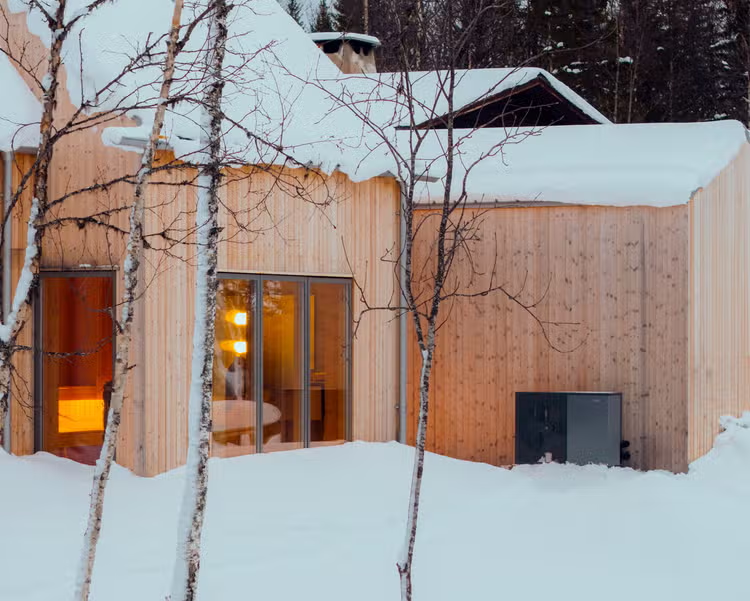
A modern wooden cabin stands in a snowy winter landscape, its warm interior lights glowing through large glass doors. The exterior is clad in vertical timber panels, contrasting with the thick blanket of snow on the roof and ground. Bare trees frame the front of the house, adding a natural foreground element. An air-to-air heat pump is attached to the wall.

Heat pumps since 1981

NIBE has developed heat pumps since 1981. Our experience from Nordic conditions helps us create systems for reliable heating, hot water and comfort in homes across Europe.

A heat pump can deliver several units of heat for every unit of electricity used.

Efficiency that makes a difference

SCOP shows how much heating a heat pump can deliver over a full heating season compared with the electricity it uses. It gives a clearer picture of everyday performance than a result measured at one single temperature.

A higher SCOP means more heating energy delivered for each unit of electricity used, under the stated test conditions. When comparing products, always compare SCOP values for the same climate profile and flow temperature.

Because heat pumps transfer heat rather than generate it through combustion, they can deliver multiple units of heat for every unit of electricity used. This is what makes them one of the most energy-efficient heating solutions available.
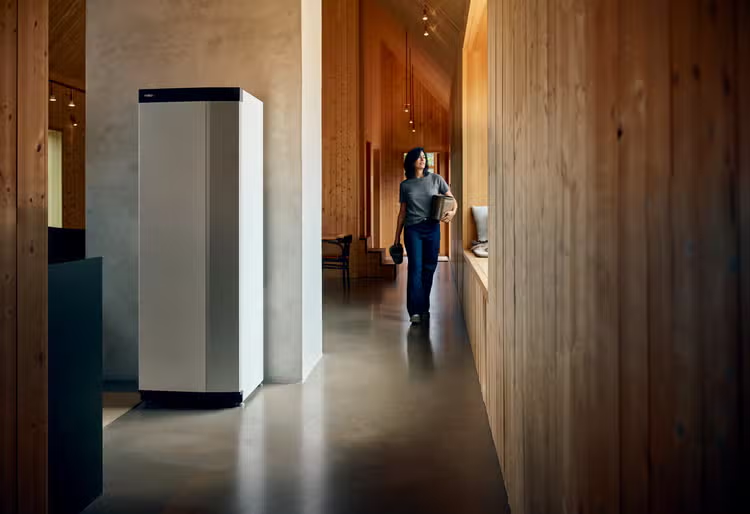

A heat pump stands against a concrete wall in a modern interior hallway. Wooden walls and large windows create a warm, minimalist architectural setting. A person walks down the corridor, adding a sense of scale and everyday use. Soft, natural light and clean lines emphasize a contemporary, calm atmosphere.
a studio photo of women right hand holding an iphone with green screen, A beige seamless background with a sunlight feel. Dramatic lighting,

Connected to you and your life

NIBE Sense makes your heat pump intelligent. It learns how your home uses energy and adjusts operation automatically. The system can shift usage to lower-cost hours without compromising comfort. Regular software updates keep performance improving over time.

Learn more about NIBE Sense

/fragments/international/stories-hub-page
/fragments/international/journey