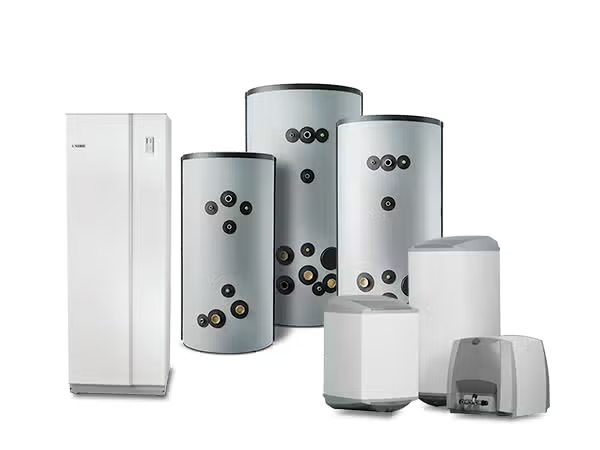
How to choose the right corrosion protection for your water heater
In brief:
- Water quality determines the choice: The corrosion protection needs to be adapted to the properties of the water to protect the hot water cylinder and help ensure a long service life.
- Five important values: pH value, alkalinity, hardness, chloride content and conductivity affect the choice of corrosion protection.
- Three types of corrosion protection: Copper, stainless steel and enamel have different properties. The most suitable option depends on the properties of the water and other conditions.
- Enamelled cylinders have an anode: A sacrificial anode or electrically powered anode provides additional protection against corrosion. A sacrificial anode is gradually consumed and needs to be checked and replaced when necessary.

Why water quality matters
Water contains minerals and other substances that can affect how a hot water cylinder ages. Copper, stainless steel and enamel each respond differently to these conditions, so the best choice depends on the water in your home. Understanding its properties can help you choose a cylinder with suitable corrosion protection.
Choose the material based on the water quality
The right corrosion protection is important for the service life of your water heater. The inside of the tank may be made of copper or stainless steel, or covered with enamel. These materials have different properties and are suited to different water qualities.
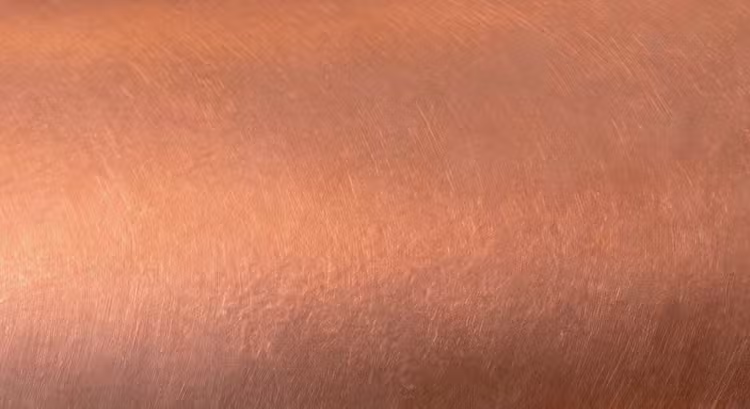
Copper
Copper provides good corrosion protection in many mains water supplies. In water with a suitable level of hardness, a thin protective layer can form on the copper surface and help protect the material. However, copper may be less suitable in water with a low pH value, very soft water or high chloride levels.

Stainless steel
Stainless steel is generally less affected by a low pH levels and is therefore often a good choice for soft, acidic water. It may be an alternative when the water quality makes copper less suitable. High chloride levels, however, can increase the risk of corrosion even in stainless steel tanks.

Enamel
An enamelled water heater is often a good choice where the water is hard, rich in minerals or contains elevated chloride levels. The enamel coating protects the steel tank from corrosion and is complemented by an anode that provides additional protection. The anode should be checked regularly and replaced when necessary.

Water quality and corrosion protection
When assessing which type of corrosion protection is most suitable, five water quality parameters are particularly important: pH, alkalinity, hardness, chloride content and conductivity.
pH value
The pH value indicates whether the water is acidic or alkaline. A low pH value means that the water is acidic, which can increase the risk of corrosion and affect which material is most suitable.
Alkalinity
Alkalinity indicates the water’s ability to maintain a stable pH level. Both low and high alkalinity can affect the risk of corrosion and should therefore be considered when choosing corrosion protection.
Hardness
The hardness of the water depends on the amount of calcium and magnesium it contains. Very soft water can affect the corrosion protection, while hard water can cause limescale deposits to form in the hot water cylinder.
Chloride content
High chloride levels can increase the risk of corrosion and affect which type of corrosion protection is most suitable. Chloride levels are particularly important to check if you have a private well.
Conductivity
Conductivity indicates the water’s ability to conduct an electrical current. At very high conductivity levels, above 1,000 µS/cm, a sacrificial anode may be consumed quickly. At very low conductivity levels, below 75 µS/cm, a sacrificial anode may not function effectively. In these cases, an electrically powered anode may be an alternative.
A water heater suited for your house
Hot water needs and installation conditions vary between households. If you have a private well, the water should be analysed before you choose a model. An installer can help you find a hot water cylinder that suits your house.