How to choose a heating system for a new-build
In brief:
- Choose water-based heating from the start. Installing a water-based system, such as underfloor heating, during construction is less expensive than adding one later. It also makes it easier to connect or change the heat source in the future.
- Exhaust air heat pumps are often a good choice for a new-built home. It recovers heat from the air extracted through the ventilation system and can combine heating, hot water and ventilation in one compact system.
- Think long term. A water-based heating system makes it easier to add solar panels, smart controls and other energy solutions in the future.
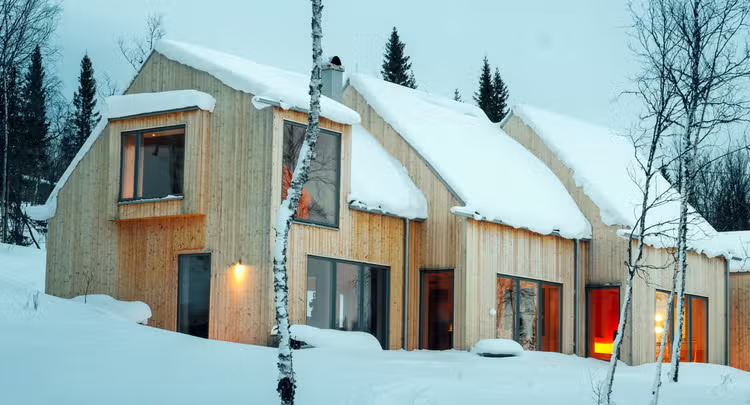
Plan for the future when building a new home
When building a new home, you have the opportunity to plan the heating system from the ground up. Decisions made early in the construction process can be complicated and costly to change once the house is completed. That is why it is worth considering how your home will be heated, both today and in the years ahead, already at the design stage.
A well-planned heating system can help lower energy costs, provide a high level of comfort and give you more flexibility over time. For many people building a new house, that means choosing water-based heating from the start. It gives you more freedom to change or add to the heat source in the future without making major alterations to the house.
Choose water-based heating from the start
Water-based heating works by circulating hot water through pipes to underfloor heating loops or radiators. Since the system is not tied to a specific heat source, you can switch between different heating solutions over time.
For many people building a new home, underfloor heating is an attractive option because it provides even, comfortable warmth throughout the house. As the heat is distributed across a larger surface area, the system can operate with lower flow temperatures, making it an ideal match for a heat pump. Underfloor heating can also offer greater flexibility when furnishing your home, as there are no radiators taking up wall space.
Installing water-based heating after the house has been built is often much more complicated and costly.
Why many people choose a heat pump for a new-build house
- For many people building a new house, a heat pump is the natural choice of heat source. It draws much of its energy from the air, ground or rock, which can help keep energy use and running costs low over time. Many heat pumps can also be used to lower the indoor temperature slightly on warm summer days.
Exhaust air heat pumps for new-build houses
An exhaust air heat pump is a popular choice for many new-build houses. Modern houses typically have low heating demand and a mechanical ventilation system, making an exhaust air heat pump a practical option.
An exhaust air heat pump recovers energy from the air ventilated out of the house and uses it to produce heating and hot water. At the same time, it helps provide ventilation, making it a compact solution that combines several functions in one system.
Since ventilation is required in new houses, an exhaust air heat pump can be an energy-efficient way to combine heating, hot water production and ventilation.
Things to consider before choosing a heating system
- Think about the size and layout of the house. Its heating demand affects which solution is best suited to it.
- Decide whether you want underfloor heating or radiators. Underfloor heating provides even, comfortable warmth, works particularly well with a heat pump, and offers greater flexibility when furnishing your home. Radiators are often a slightly less expensive option to install.
- Consider an exhaust air heat pump. In many newly built homes, an exhaust air heat pump is sufficient to meet the needs for heating, hot water, and ventilation in one compact and energy-efficient solution.
- Think long term. Consider preparing for smart controls, solar panels and other energy solutions you may want to add in the future.
How to choose a heating system for a new-build house
Choosing a heating system starts well before the house is complete. Planning the heating early makes it easier to find the right solution and avoid costly changes later on.
The size and layout of the house, its energy needs and the site conditions all affect which options are suitable. It is also a good idea to consider future needs from the start, such as whether you may want to add solar panels, smart controls or other energy solutions later on.