How ground source heat pumps work
In brief:
- Heat is collected below the surface. Fluid circulating in a collector loop absorbs stored heat and carries it to the heat pump..
- The heat pump raises the temperature. An electrically powered compressor makes the heat suitable for heating and hot water.
- Reliable performance year-round. Temperatures below ground vary less than outdoor air temperatures, supporting efficient heating throughout the year.
j

Heating and hot water from the energy in the ground
A ground source heat pump collects heat from the ground and transfers it to your home’s water-based heating system and hot water cylinder.
A collector pipe is installed in a drilled borehole or laid horizontally in trenches. A mixture of water and antifreeze, known as brine, circulates through the pipe and absorbs heat from the surrounding soil or rock.
The collector brings this heat to the heat pump inside your home. The fluid stays in its own closed circuit, separate from the water used for heating and from the domestic hot water supplied to showers and taps.
Inside the heat pump, heat passes from the collector fluid to a refrigerant. The compressor raises the refrigerant’s temperature, and a heat exchanger transfers the heat to water. The cooled collector fluid returns to the ground to absorb more heat.
Temperature variations decrease with depth. This makes deeper ground a particularly stable heat source, while shallower collectors experience more seasonal variation. The collector and heat pump are sized together to meet the home’s heating and hot water needs.
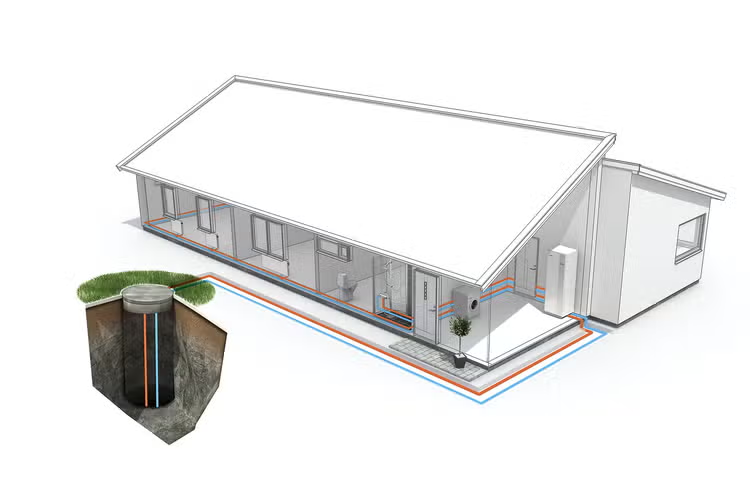
How the ground heat reaches your home
A ground source heat pump collects heat outdoors, raises its temperature and distributes it through the home. Three separate circuits work together:
- The collector circuit carries heat from the ground to the heat pump.
- The refrigerant circuit transfers that heat and raises its temperature inside the heat pump.
- The heating circuit carries heated water to radiators or underfloor heating and transfers heat to the hot water cylinder.
The process in three steps
- Step 1: Heat is collected. Fluid circulates through the collector pipe, absorbing heat from the surrounding ground or a suitable lake.
- Step 2: The temperature rises. Inside the heat pump, the collector fluid transfers heat to a refrigerant. An electrically powered compressor raises the refrigerant’s temperature, and a heat exchanger transfers the heat to water.
- Step 3: Heat reaches your home. Heated water circulates through radiators or underfloor heating. Heat is also transferred to the hot water cylinder for showers and taps.
How the temperature rises
- The fluid returning from the collector does not need to be hot. A refrigerant with a low boiling point absorbs its heat and evaporates into a gas. The compressor raises the gas temperature so that heat is ready to be transferred to the heating system and hot water cylinder.
The parts of a ground source system
The system combines a collector, an indoor heat pump and the home’s water-based heating system. Hot water is supplied through an integrated or separate cylinder, depending on the model and installation.
For a new installation, the collector is designed and installed alongside the heat pump. When replacing an existing heat pump, the installer checks the collector’s condition and capacity to establish whether it is suitable for the new model.
One heat pump – three ways to extract energy
Ground source heat pumps can extract energy in three different ways, depending on the conditions around your property. The energy can be collected from deep underground, from the ground just below the surface or from a nearby lake.
Where ground source heating works best
Ground source heat pumps are used in a wide range of homes, including properties with higher heating demand. The system is designed around the heat available from the collector and the heating and hot water needs of the building.
Ground source heating is worth considering if you:
- Have a home with substantial heating demand
- Have radiators or water-based underfloor heating, or plan to install them
- Have suitable land and access for drilling or laying a collector
- Are looking at heating costs and performance over the long term
A site assessment establishes which collector arrangement suits the property. The installer also checks the heating system and selects a heat pump with the appropriate capacity.

Installing a ground source heat pump
Installation starts with an assessment of the property and its heating and hot water needs. The installer recommends a collector arrangement and heat pump, then provides a quote and installation schedule.
For a new system, collector pipes are installed in boreholes, horizontal trenches or a suitable lake. The size and layout of the collector depend on the heat required and the conditions at the site.
The indoor heat pump is connected to the collector, heating system and hot water components. During commissioning, the installer checks operation and adjusts the controls to suit the home.
If you are replacing an older heat pump, the existing collector is assessed before the new model is selected. You will also receive an introduction to the system’s functions, settings and routine care.
Ground source heat pump – more than just heating
A ground source installation provides options beyond heating and hot water. Depending on the model and system design, it also offers summer cooling, pool heating and the use of electricity from solar panels.
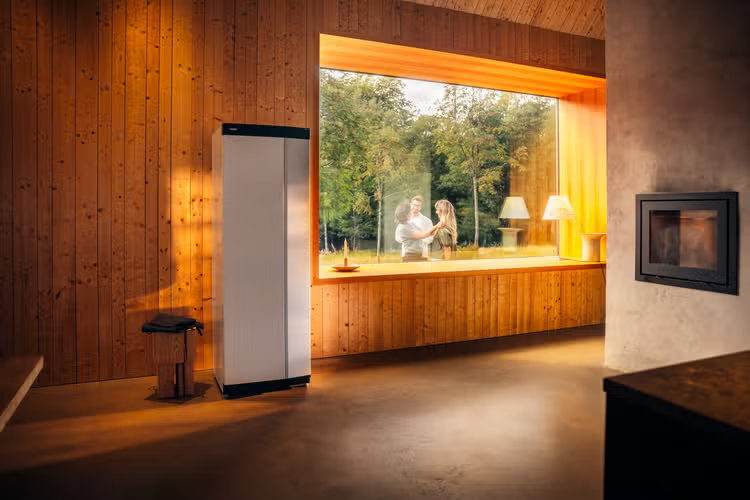
With a ground source heat pump, you can keep your house cool in summer by making use of the low temperature in the bedrock. This is known as passive cooling and typically uses very little energy.

Pool heating
A ground source heat pump can heat your pool and maintain a steady temperature throughout the swimming season.
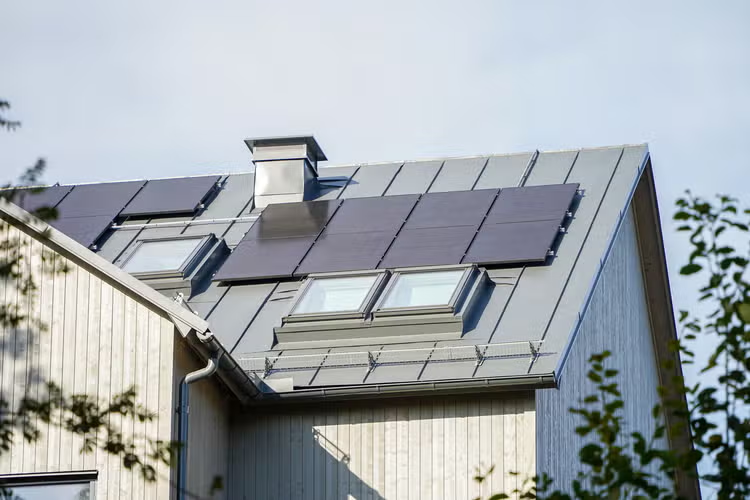
Integration with solar panels
Solar panels generate electricity for your household, including your heat pump. Using that electricity when it is available reduces the amount you need to buy from the grid.