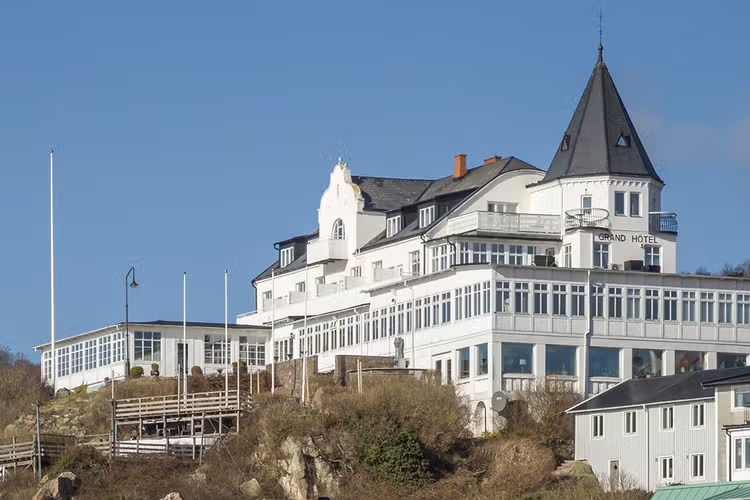
A more sustainable future for Grand Hotel Mölle
A historic hotel with modern ambitions
Grand Hotel Mölle replaced its oil-fired heating system with ground source heat pumps from NIBE to improve comfort, reduce environmental impact and significantly lower energy costs. The investment is expected to cut heating expenses by around 75 % while giving staff much greater control over the indoor climate.
Perched above the seaside village of Mölle, Grand Hotel Mölle has welcomed guests from around the world since 1909. The iconic hotel is run by Eva Dahlberg and her husband David Mill, who have spent years developing the hotel while preserving its historic character.
As part of their long-term commitment to sustainability and quality, they began looking for a new energy solution that could replace the hotel's ageing oil-fired heating system.
Property: 40 hotel rooms, restaurant and conference facilities.
Location: Mölle, Sweden.
Previous heating system: Oil-fired heating.
New heating system: Three NIBE S1345 ground source heat pumps.
Result: Heating costs reduced by approximately 75 %, improved comfort and a significantly lower environmental impact.
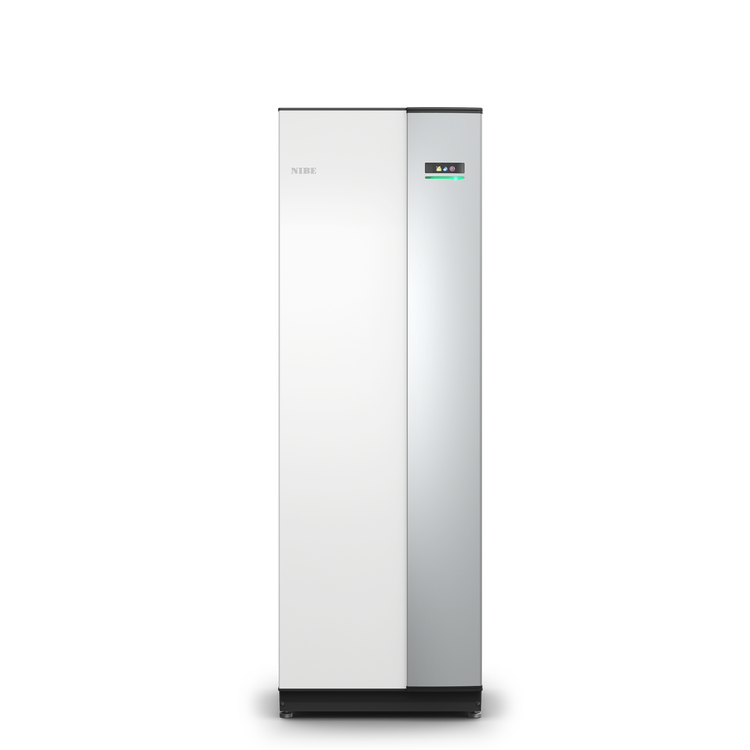
Ground source heat pump
S1345
An outdated heating system with high operating costs
For many years, Grand Hotel Mölle relied entirely on oil for heating and hot water. While the system had served the hotel for decades, it had become increasingly difficult and expensive to manage.
Maintaining comfortable temperatures throughout the property was a constant challenge, and energy costs continued to rise. The hotel needed a more reliable and sustainable solution that could support both guest comfort and future environmental goals.
At the same time, it was important to find a system that could be integrated into the historic buildings without affecting their unique appearance.
Ground source heating for two hotel properties
Working together with NIBE and local installers, the hotel chose to replace its oil-fired heating with a ground source system based on three NIBE F1345 heat pumps.
A total of 13 boreholes, each approximately 250 metres deep, were drilled to serve both Grand Hotel Mölle and its sister hotel Olympia. The new installation provides heating, hot water and cooling while allowing staff to monitor and manage the system more easily.
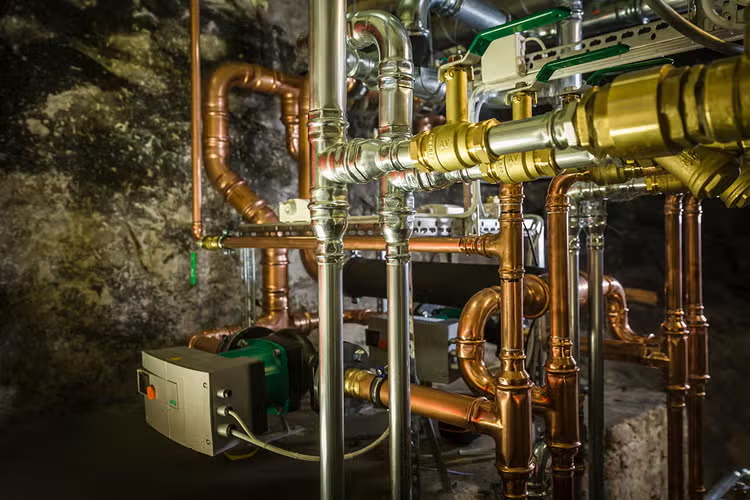
Because most of the installation is located underground and in technical rooms, the solution preserves the character of the historic hotel while modernising its energy infrastructure.
Lower energy costs and a more sustainable future
The transition to ground source heating has transformed the hotel's energy system. Annual consumption of approximately 52 cubic metres of oil has been replaced by renewable energy stored in the ground.
The investment is expected to reduce energy costs by around 75 % lowering annual heating expenses from roughly SEK 750,000 to around SEK 160,000.
In addition to the financial savings, the hotel benefits from improved indoor comfort, simplified operation and a significantly lower environmental impact. The project also forms part of a broader sustainability strategy that includes electric vehicle charging and future plans for solar panels.