Replacing an exhaust air heat pump
In brief:
- Be observant. Increasing energy consumption, recurring faults or reduced comfort may indicate that it is time for a new heat pump.
- Simple replacement. In most cases, you can keep the existing ventilation and heating systems, meaning that only the heat pump itself needs to be replaced.
- Can reduce energy consumption. Modern exhaust air heat pumps are often more energy efficient, quieter, and offer more features than older models.
Reasons to replace an exhaust air heat pump
The expected lifespan of an exhaust air heat pump is typically around 15 to 20 years. As the heat pump gets older, energy consumption may increase, maintenance requirements may become more frequent, and heat recovery efficiency may decline.
Lower energy consumption
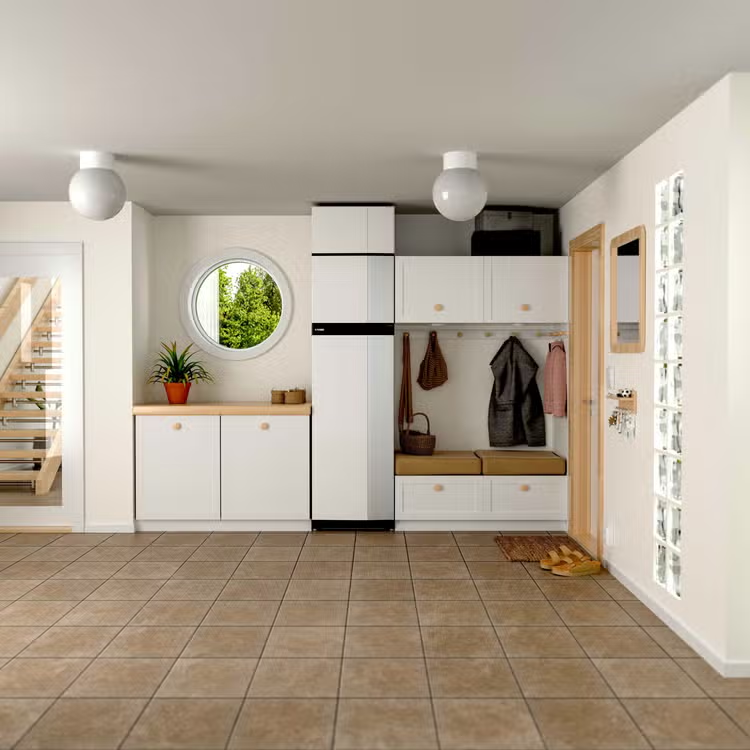
Replacing an older heat pump is not only about avoiding problems. Modern exhaust air heat pumps are often significantly more energy efficient than older models and can help reduce energy costs. They are also inverter-controlled, meaning the heat pump automatically adjusts its output to match the actual heating demand of the home.
The table below shows how much energy you could save by replacing an older fixed-speed exhaust air heat pump with an inverter-controlled NIBE S735.
Improved comfort
New exhaust air heat pumps can provide a more stable indoor temperature, improved hot water comfort, and are often quieter in operation than older models.
More features
A new heat pump gives you access to features that can make everyday life both easier and more economical, such as smartphone control, the ability to adapt operation to electricity prices, and modern technology designed for today's energy requirements. Some models, such as NIBE S735C, also include a cooling function that can help create a more comfortable indoor climate during warm weather.
Signs that it may be time to replace your exhaust air heat pump
There is rarely an exact point in time when an exhaust air heat pump needs to be replaced. However, several signs may indicate that it is time to review your system:
- Energy consumption iis increasing even though the home’s overall energy use is approximately the same.
- The heat pump experiences recurring faults or requires more frequent repairs.
- Heating, hot water, or ventilation performance is no longer as good as before.
- The heat pump is noisier than it used to be.
How the replacement process works
Replacing an exhaust air heat pump is generally simpler than installing a completely new system. The ventilation system and other installations are already in place, which means that in most cases it is primarily the heat pump itself that needs to be replaced.
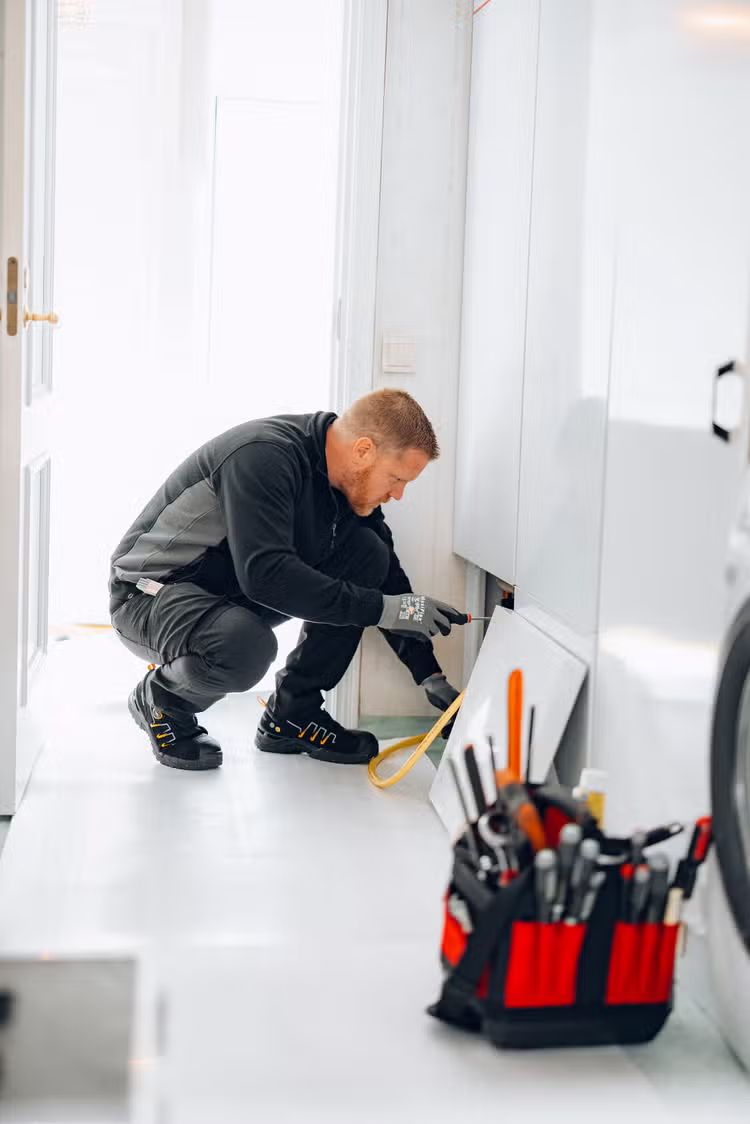
The process usually begins with a home visit. The installer assesses the existing system and then recommends a new model that suits both your home and your needs.
Before the installation, we recommend cleaning the ventilation ducts. Clean ducts ensure optimal airflow and give the new heat pump the best conditions to operate efficiently.
On the installation day, the process typically follows these steps:
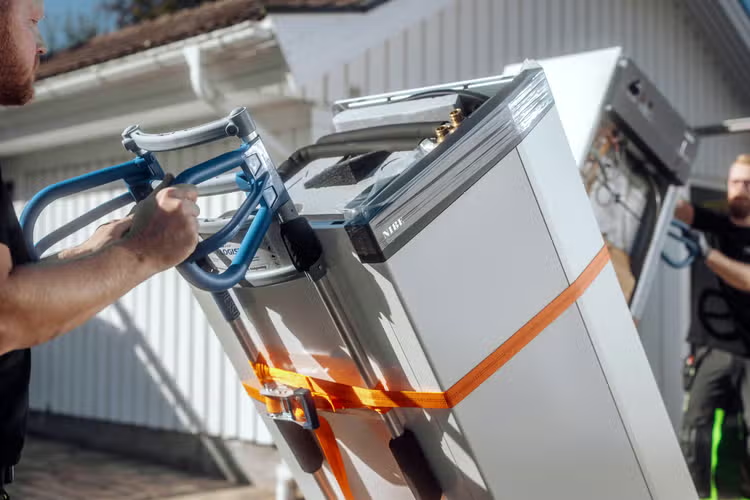
Step 1. The old heat pump is disconnected and removed.
Step 2. The new heat pump is installed and connected to the ventilation, heating and hot water systems.
Step 3. The system is started up and checked.
Step 4. The installer reviews the settings and functions with you.
If possible, it may be a good idea to plan the replacement for spring, summer, or early autumn. Demand for installers is often lower than during the winter, and you reduce the risk of being without heating during the installation.
Finding the right exhaust air heat pump
NIBE offers exhaust air heat pumps for different types of houses and requirements. The product range includes models for homeowners looking to replace an older exhaust air heat pump, as well as those who want access to features such as smart control via myUplink, electricity price optimisation, and cooling.
NIBE S735
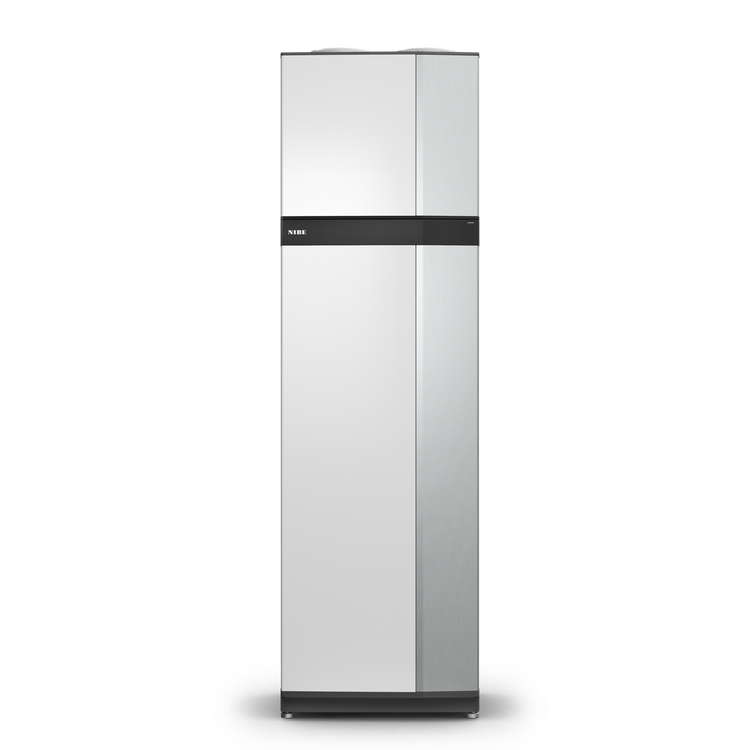
The NIBE S735 is an intelligent inverter-controlled exhaust air heat pump with an integrated hot water heater, providing heating, hot water and ventilation efficiently and economically.
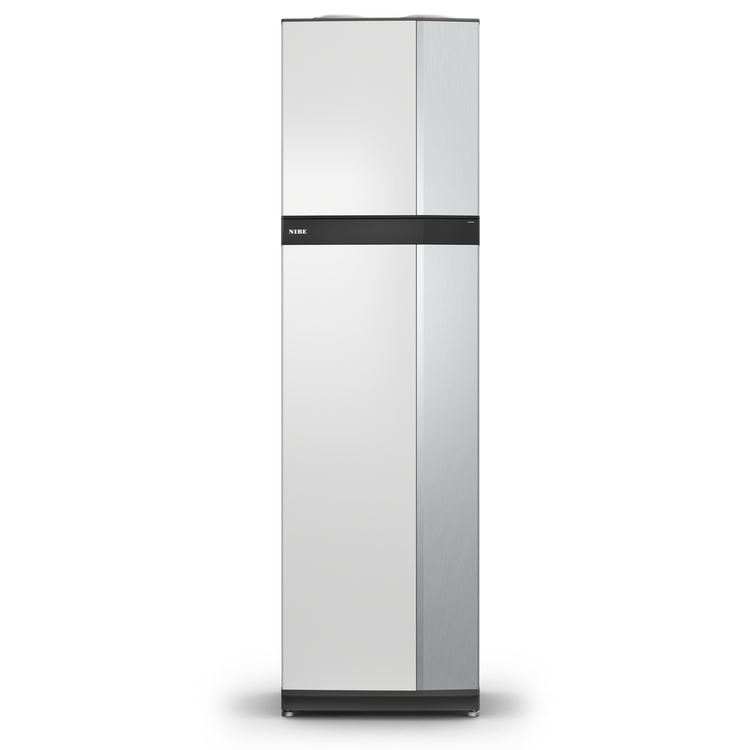
NIBE S735C
The NIBE S735 is an intelligent inverter-controlled exhaust air heat pump with an integrated hot water heater, providing heating, hot water and ventilation efficiently and economically. It also has an integrated cooling function, making the indoor temperature comfortable even on warm summer days.
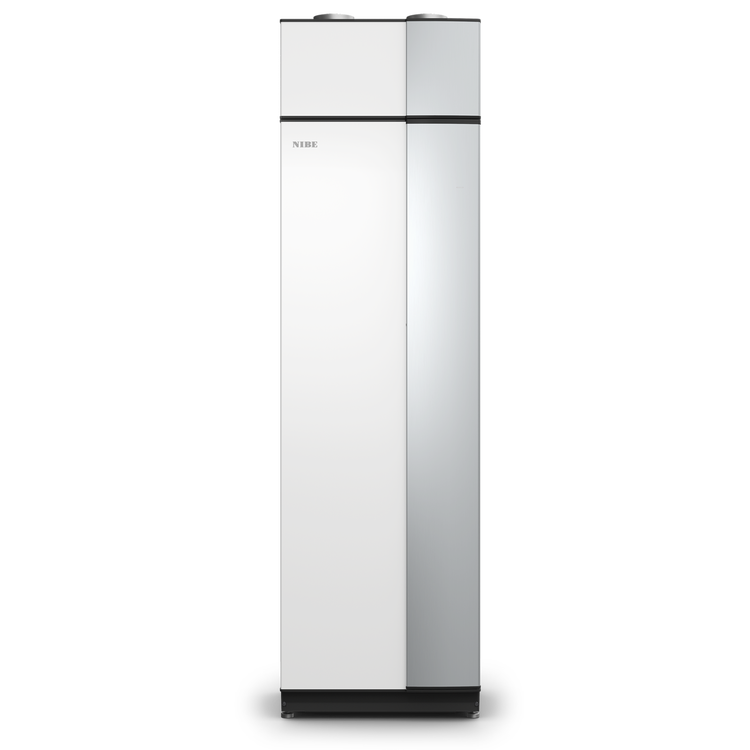
NIBE F470
NIBE F470 is an all-in-one exhaust and supply air heat pump which provides heating, ventilation, heat recovery and hot water efficiently, simply and economically.
The model that suits you best depends on factors such as the size of your home, the ventilation system, and your preferences regarding comfort and functionality. A home visit can quickly determine which heat pump is most suitable for your specific property.
Feel free to use our product selector to compare models, or contact an installer for advice before replacing your heat pump.