Quiet comfort starts with thoughtful design
In brief:
- NIBE has its own sound laboratory. Here, engineers measure and analyse product sound as part of the development process.
- Sound levels vary between heat pumps. The model, operating conditions and type of heat pump all affect how much sound it produces.
- Several NIBE heat pumps are Quite Mark certified. The certification provides an independent assessment of acoustic performance.
- Installation affects how sound is experienced. The position of the heat pump, its mounting and the surrounding environment all need to be considered.
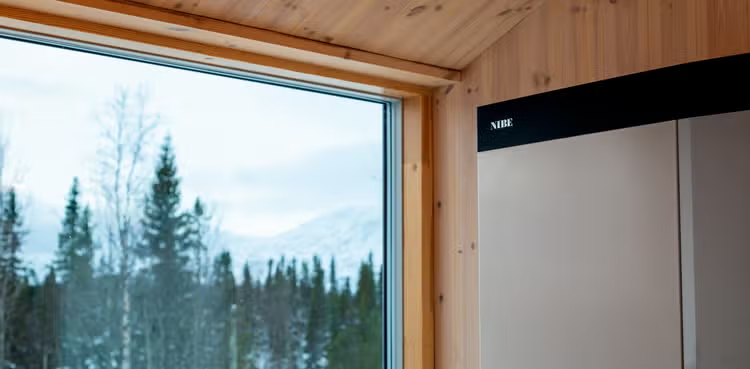
Quiet by design
Low sound levels start with the product itself. At NIBE, acoustic performance is part of developing a heat pump that belongs comfortably in everyday life.
In NIBE’s own sound laboratory, engineers measure and analyse product sound. The findings guide refinements to the design, with acoustic performance considered alongside heating performance and efficiency.
This gives sound a place in product development from the outset. Whether a heat pump is installed indoors or outside, the aim is the same: dependable heating that fits comfortably around life at home.
Independently recognised by Quiet Mark
Several NIBE heat pumps have earned Quiet Mark certification, an independent international certification that identifies quieter products within their category.
Quiet Mark assesses acoustic performance and compares products with similar functions. For someone choosing a heat pump, the certification offers independent reassurance that sound has been carefully considered and assessed.
In the table below, you can see the certified NIBE models.
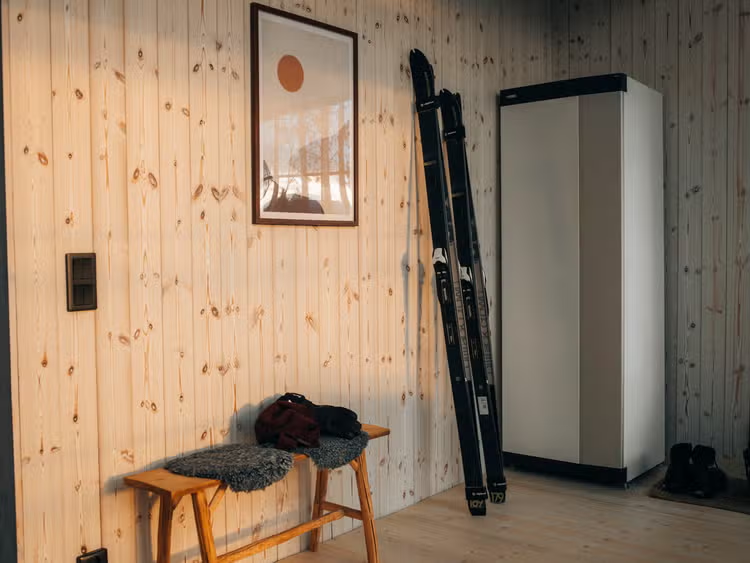
Certification applies to the listed model variants. The Quiet Mark register provides current product listings.
Understanding the sound of a heat pump
Like other equipment that keeps a home comfortable, heat pumps have moving parts. The compressor and, in systems that move air, the fan produce sound as they work. The level varies with the model and its operating conditions.
For air-to-water heat pumps, the outdoor unit is the main focus when planning for sound. With ground source and exhaust air heat pumps, the focus is on the equipment indoors.
A published sound figure provides useful information, particularly when comparing models measured under the same conditions. Quiet Mark adds an independent assessment, while your installer puts the product information into the context of your home.

Well designed and thoughtfully installed
A good installation brings the product’s acoustic design into everyday use. Your installer selects a suitable position and plans the mounting and connections, taking account of the home, surrounding properties and the space needed for airflow and servicing.
These are normal parts of planning a heating system. Discussing them early lets your installer bring heating performance, practical access and quiet operation together in one considered solution.
Together, product design and professional installation support the comfort you chose the heat pump for in the first place.