Make room for more hot water
In brief:
- A separate hot water cylinder offers greater flexibility. You can choose the cylinder’s capacity and the heat pump’s output to suit your household’s hot water needs and your home’s heating requirements.
- The cylinder’s size is not the only factor. The heat pump’s output and how heat is transferred also affect how much hot water is available.
- The heat pump and hot water cylinder need to work well together. An installer can assess which combination suits your home, heating system and household’s habits.
- There are different solutions for different systems. NIBE offers hot water cylinders and accumulator tanks for houses, larger properties and systems with multiple heat sources.

Hot water capacity matched to your home
Some heat pump systems include a built-in hot water cylinder. Others work with a separate one, allowing heating output and hot water capacity to be selected individually. This gives you more flexibility when your household needs a different capacity from that offered by an integrated system.
A separate cylinder may be part of a new installation or considered when replacing your heating system, extending your home or adding a bathroom. The right choice takes both your hot water needs and the existing or planned heating system into account. It also needs space for installation and servicing.
How your heat pump and cylinder work together
The heat pump supplies the heat used to prepare water for showers, baths and taps. In a conventional cylinder, heat is transferred to stored tap water so it is ready when needed.
Other designs store heating water and heat tap water as it passes through an internal coil. In both arrangements, the heating water and tap water stay separate.
The amount of hot water available depends on more than tank size. The heat pump’s output and the way heat is transferred also determine how quickly the supply recovers after use. Matching the cylinder and heat pump brings capacity and reheating performance together.
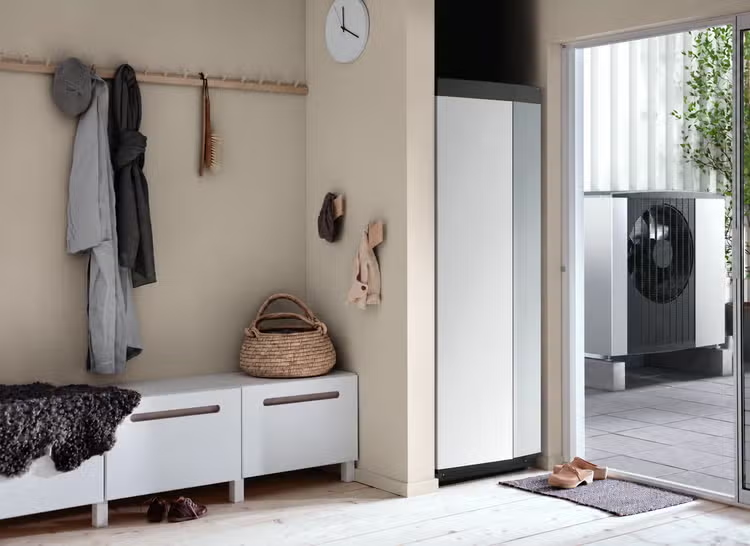
Capacity for everyday use and higher demand
The number of people at home is a useful starting point, but daily routines give a clearer picture. Several showers in succession place a different demand on the system from showers spread throughout the day. A large bath or a high-flow shower also increases the amount of hot water needed.
Describe those routines to your installer, along with any plans that may change your household’s needs. They will assess the required capacity, check the combination with your heat pump and plan the installation. The aim is a system sized for everyday use with enough capacity for periods of higher demand.
Explore NIBE hot water solutions
NIBE offers cylinders and tanks for family homes, larger properties and installations that combine several heat sources. Each design has a different role within the heating system.
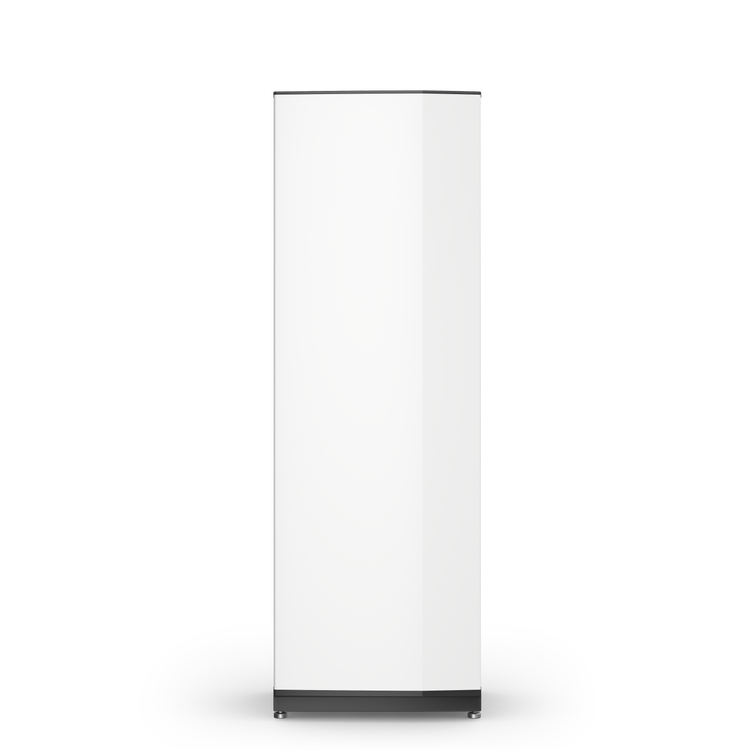
VPB S200 / S300
Hot water cylinders in two sizes for household needs, with a design that matches NIBE S-series heat pumps. Insulation limits heat loss from the stored water.
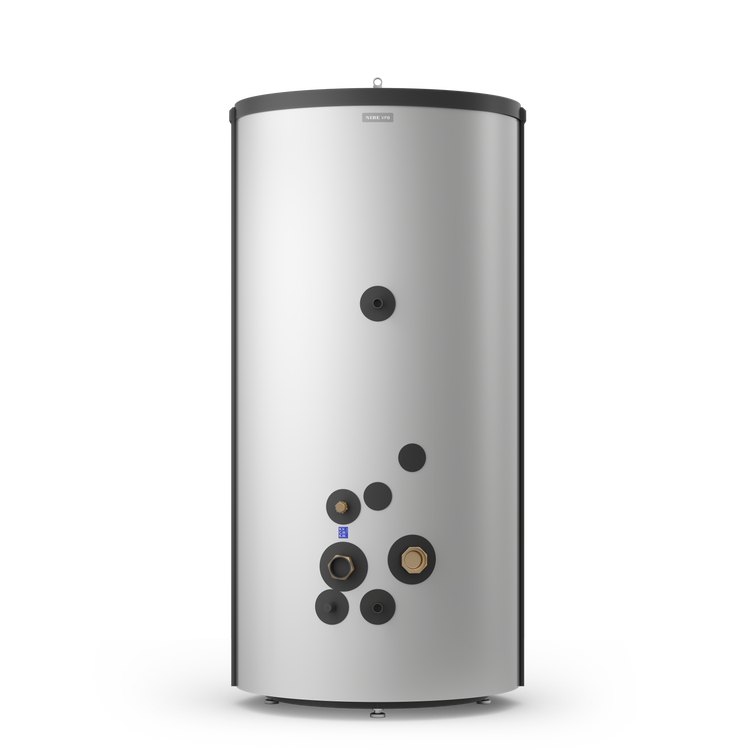
VPB 500-1000
High-capacity hot water cylinders with a charging coil for larger properties. Three sizes provide stored hot water for greater demand, with capacity selected to match the heat pump and installation.
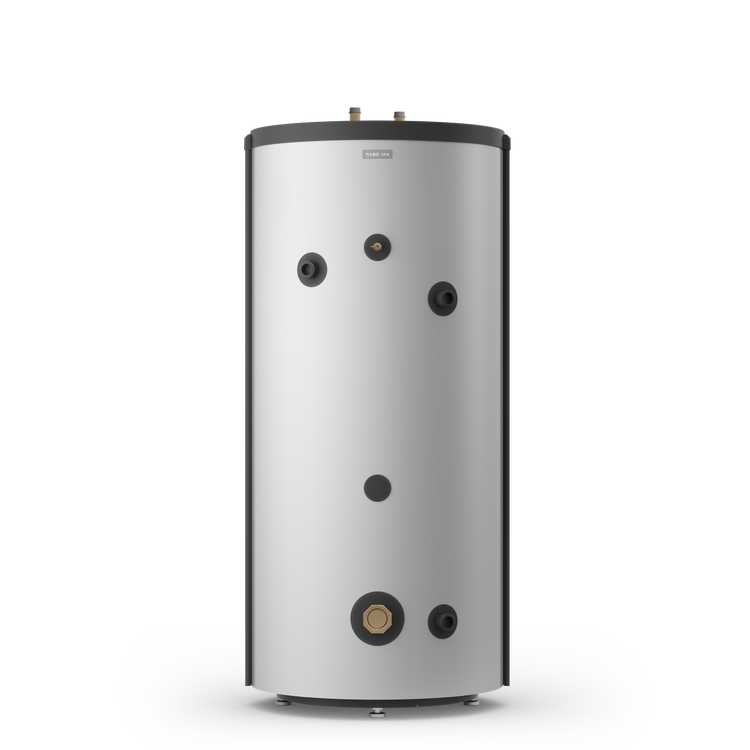
VPA
Hot water storage for systems using a heat pump or another heat source. Available in several sizes, with the option of an immersion heater for additional heating.
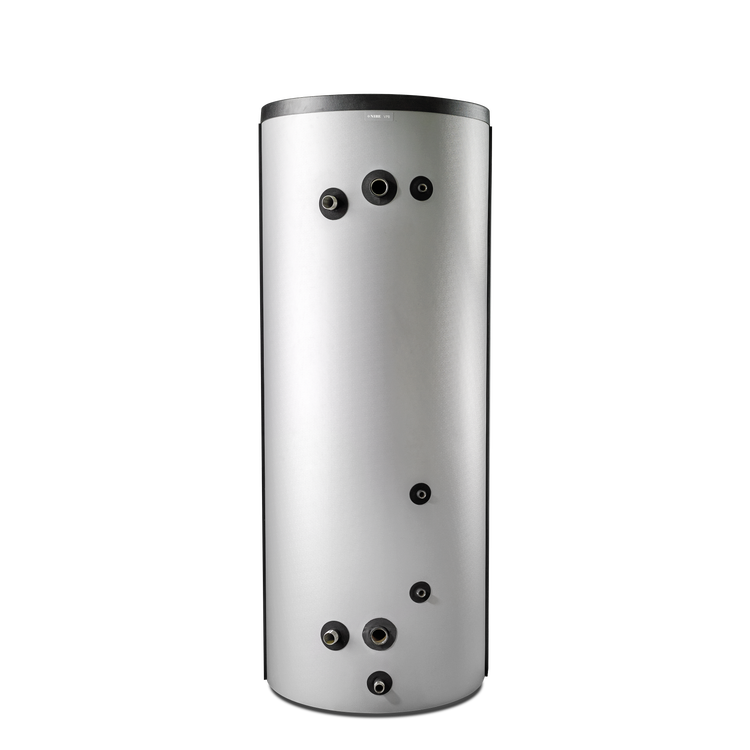
VPC 500-750
Hot water production for properties with greater demand. VPC stores heating water and transfers its heat to tap water flowing through an internal hot water coil.