Cooling with a heat pump
A NIBE heat pump can provide gentle floor cooling or faster air-based cooling. The most suitable solution depends on the type of heat pump installed in your home, how heat is distributed, and the level of cooling comfort you are looking for.
Cooling can be passive or active, and the way it is distributed affects both the cooling output and how the cooling is experienced.
In brief:
- Energy-efficient cooling with a ground source heat pump. A ground source heat pump can use the naturally cool temperature in the borehole to cool your home. If more cooling is needed, the system can be supplemented with active cooling.
- Even or rapid cooling with an air-to-water heat pump. Cooling can be distributed through fan convectors for faster cooling, or through the floor for a gentler and more even cooling effect.
- Night-time cooling or active cooling with an exhaust air heat pump. The available functions depend on the model.
- Cool air directly in the house with an air-to-air heat pump. The indoor air is cooled and distributed directly from the indoor unit.

How comfort reaches your rooms
How cooling is experienced depends on the type of heat pump you have, how the cooling is generated and distributed, and the heating system already installed in your home.
Air-based cooling – fast cooling like air conditioning
With an air-to-air heat pump, you get air conditioning directly from the indoor unit, which distributes cool air throughout the room. If you have a wet central heating system with radiators, you will normally need to add one or more fan convectors to distribute the cooling. This provides fast and noticeable cooling, for example in bedrooms or living rooms on hot summer days.
Cooling through underfloor heating – gentle and even comfort
If you have water-based underfloor heating, the same floor loops can be used for cooling, provided that the system is adapted for cooling operation. Cool water circulates through the loops, providing gentle and even cooling across larger areas without fans or draughts. It is important that the temperature is controlled to prevent condensation.
Different ways to stay cool
The cooling options available depend on the type of heat pump installed in your house.
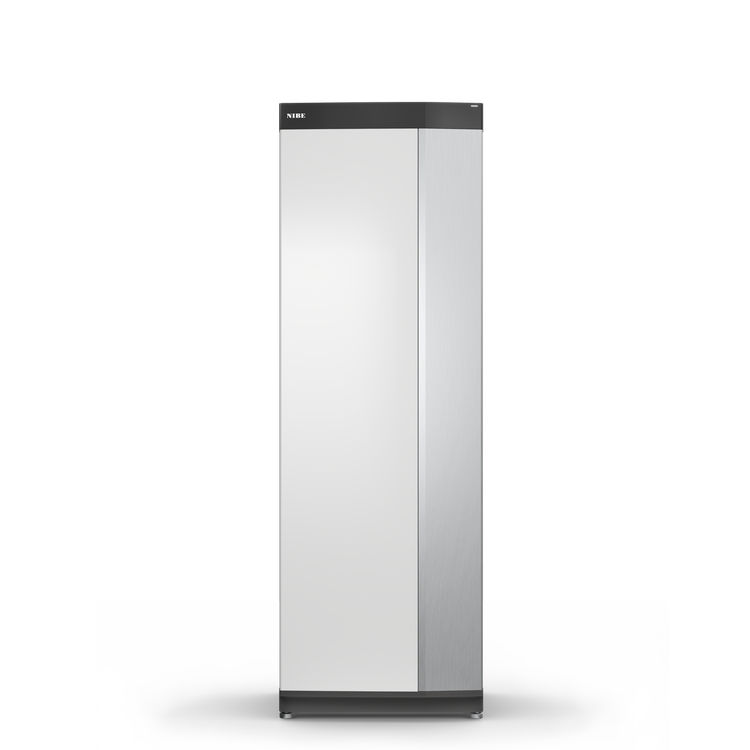
Ground source heat pumps
With a ground source heat pump, you can use passive cooling. The natural coolness stored in the bedrock is used to cool your home with very low energy consumption. At the same time, heat from the house is returned to the borehole. For greater cooling needs, some systems can be supplemented with active cooling, where the compressor operates to produce cooling.
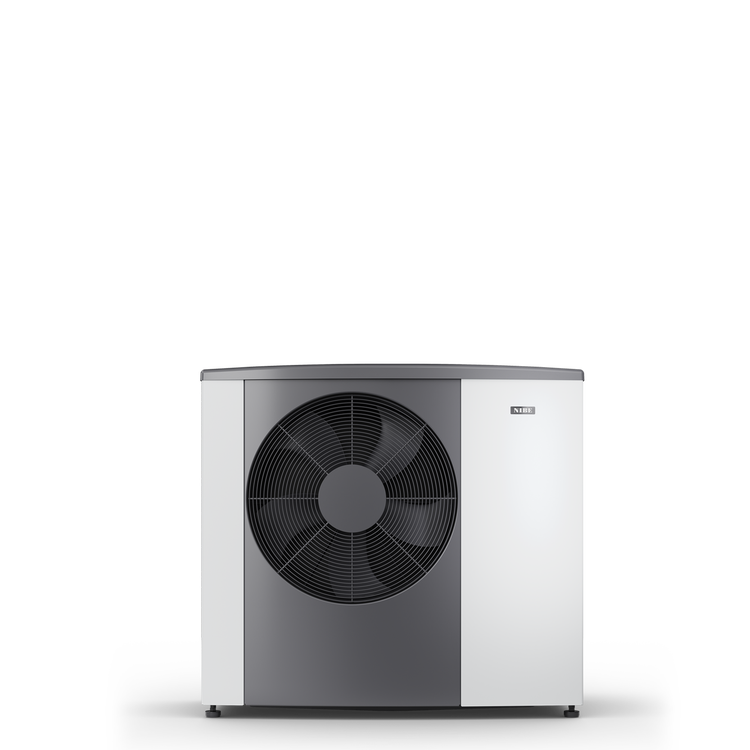
Air-to-water heat pumps
With an air-to-water heat pump, you can use active cooling. The compressor works to produce chilled water, which can distribute cooling throughout the home via fan convectors or a compatible underfloor system. This provides a clearly noticeable and controllable cooling effect, even during hot summer days.
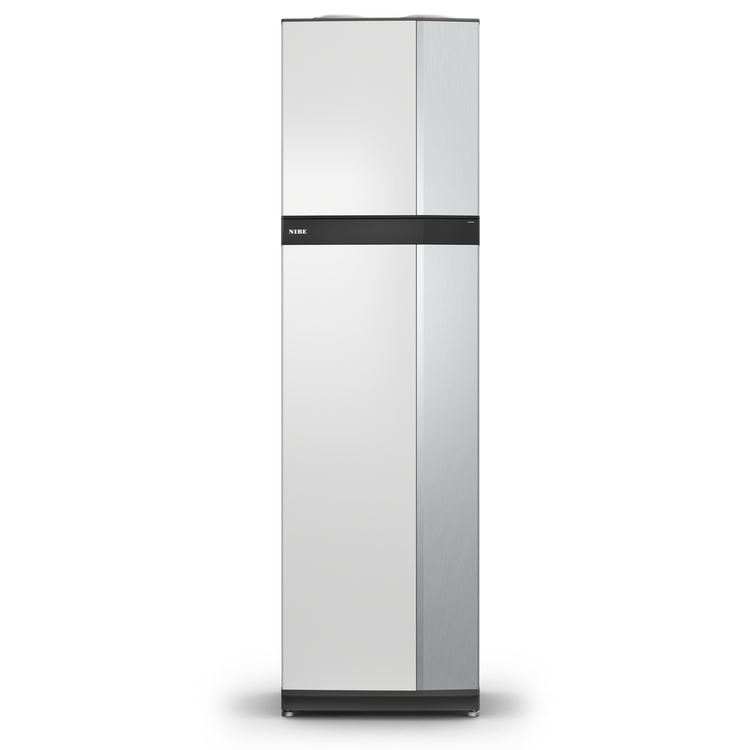
Exhaust air heat pumps
An exhaust air heat pump can contribute to a more comfortable indoor climate in summer in different ways, depending on the model. Night-time cooling uses cooler outdoor air to help lower the temperature in the house, while the NIBE S735C has integrated active cooling for greater and more controlled cooling capacity.
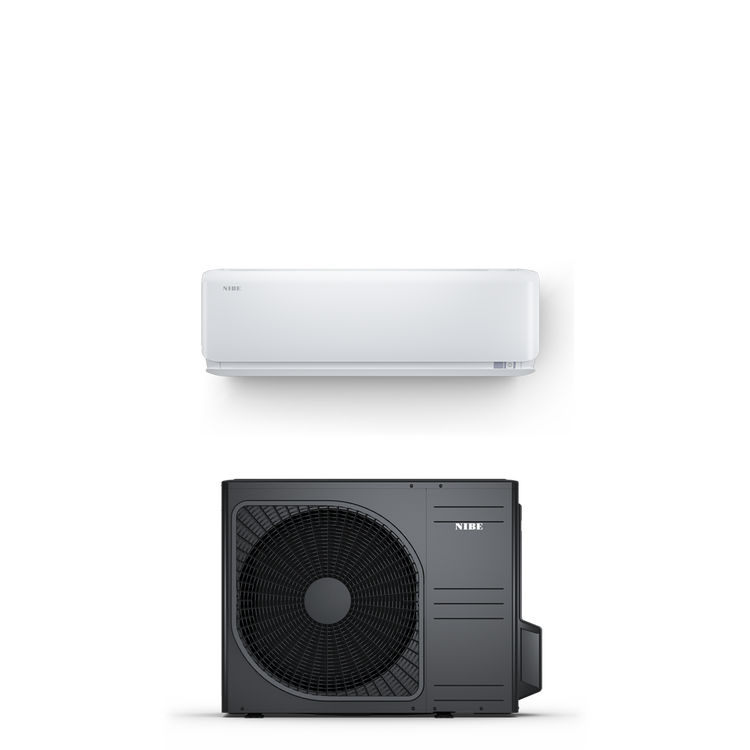
Air-to-air heat pump
An air-to-air heat pump can both heat and cool your home. In cooling mode, the indoor unit distributes cool air directly into the room while also dehumidifying the air. This provides a fast and noticeable cooling effect during hot summer days.
How active and passive cooling work
Passive cooling
- Passive cooling uses the naturally cool temperature of the bedrock. The compressor normally does not need to operate to produce the cooling, resulting in very low energy use. The cooling can be distributed through fan convectors for noticeable air-based cooling or through underfloor heating loops for gentler and more even cooling.
Active cooling
- Active cooling means that the heat pump's compressor operates to produce cooling. This provides greater control over cooling output and is used with air-to-water heat pumps and exhaust air heat pumps with integrated cooling functionality. Ground source heat pump systems can also be supplemented with active cooling when cooling demand is higher.
Plan for cooling from the start
If you want to be able to cool your house using your heat pump, it is a good idea to consider your cooling needs when planning the system. This allows the heat pump, system and cooling distribution method to be designed to provide the comfort you want throughout the year.
If you already have a heat pump, an installer can help you explore the options for adding cooling to your existing system.
Intelligent control for summer comfort
With NIBE Sense, your heat pump can automatically switch to cooling mode based on the outdoor temperature and your settings. Just as heating is controlled using a heating curve, cooling can be adjusted according to the outdoor conditions. This helps maintain an even and comfortable indoor climate throughout the summer without the need for manual adjustments. Cooling is activated when needed and adapted to provide a high level of comfort with low energy use.